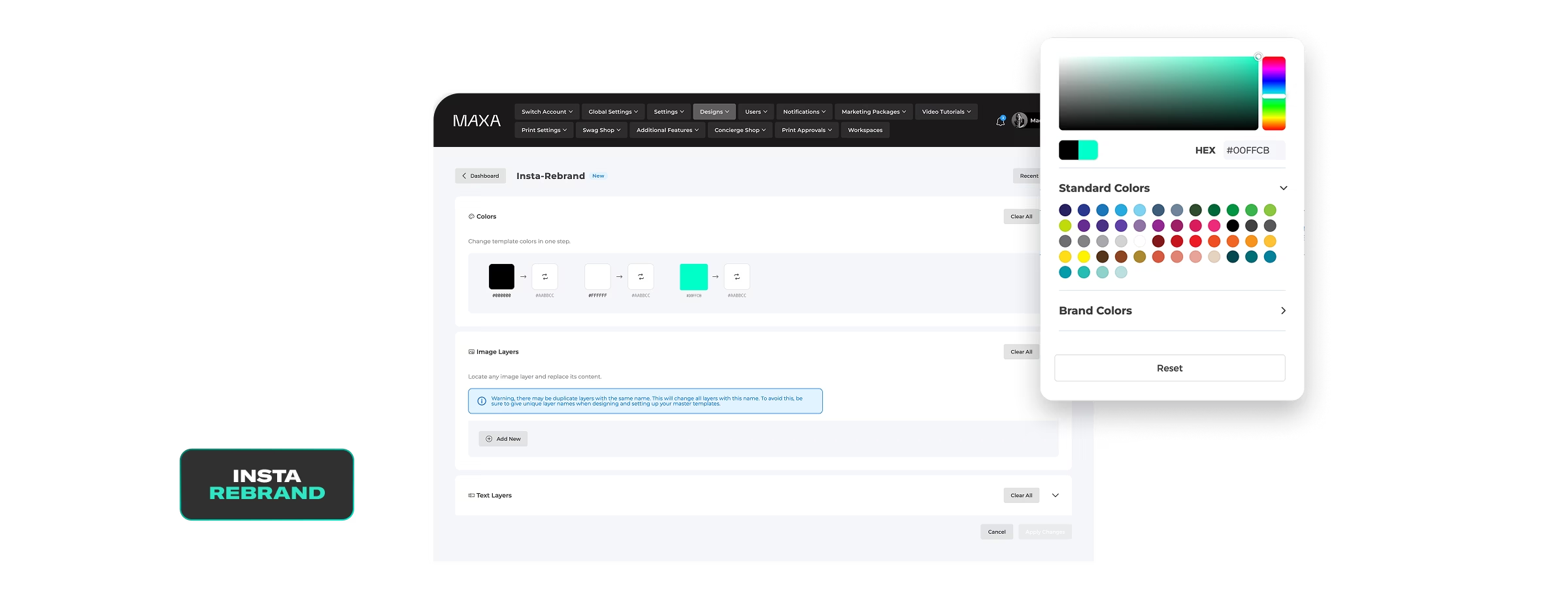
The real estate ads compliance is one of the most important aspects of marketing properties. It ensures you adhere to the federal regulations set out by the Fair Housing Act and enforced by the Federal Trade Commission.
The more challenging part of crossing all your t's and dotting all your i's in real estate marketing rules comes when you look at state-level regulations.
Today, we’ll share some pointers to help you get that job done with ease.
Why Compliance Is a Bigger Risk Than Most Brokerages Think
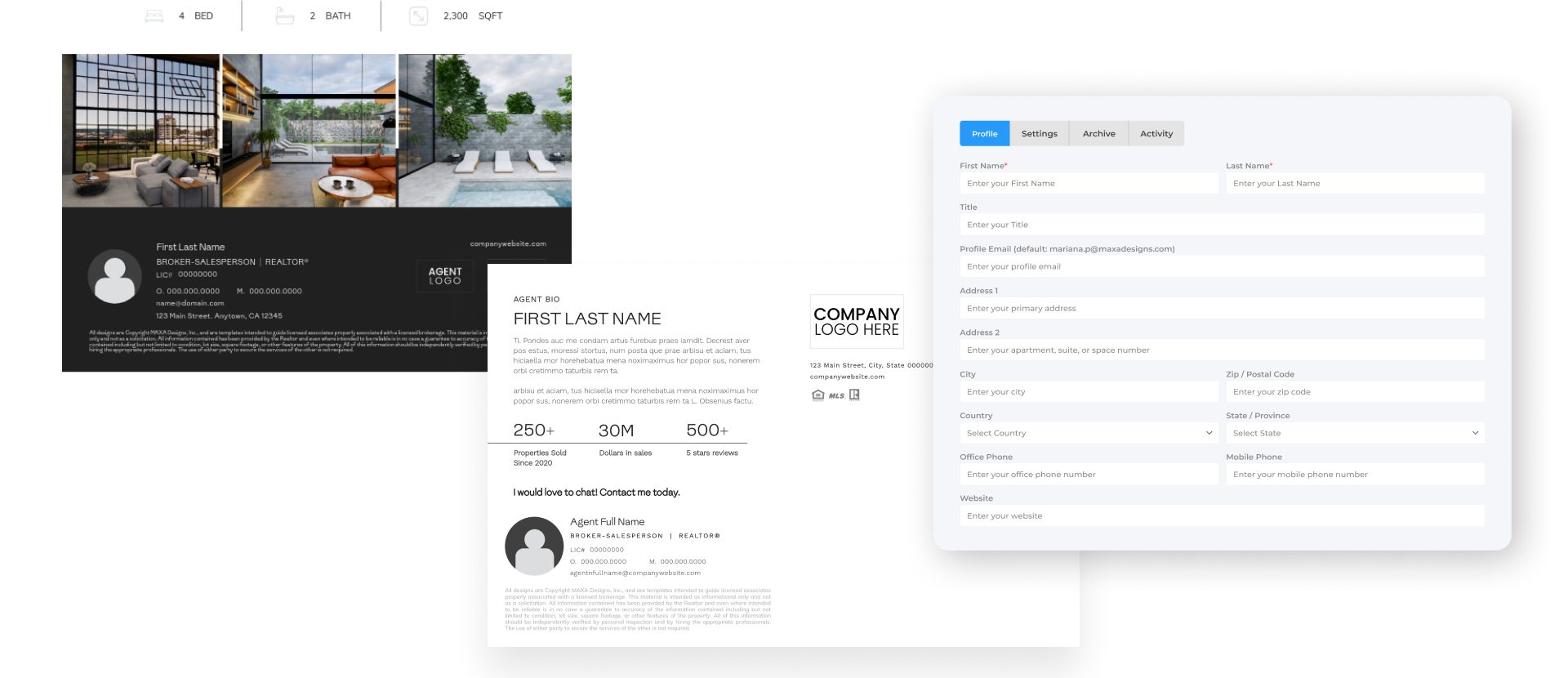
Federal rules set the baseline for truthful advertising, but the real complexity creeps up at the state level. This is where each jurisdiction has its own disclosure requirements, its own definitions, and its own enforcement style, making it a proper labyrinth of regulations for the realtors.
Maryland is a good example. The Maryland Real Estate Commission expects ads to include the licensee’s full legal name, the correct license category, and a “meaningful and conspicuous” display of the brokerage’s full name. The broker’s or office manager’s phone number also needs to be included, and not just the agent’s preferred contact.
Maryland is not unique in this. Similar rules exist across the country, which means a design that looks brand-consistent may still be non-compliant depending on the state.
The usual violations of the advertising rules include:
- Missing or minimized brokerage information
- Incorrect or incomplete license display
- Misleading or exaggerated claims about performance, features, or credentials
For both marketing and legal teams, this is all about risk management. Every real estate marketing material, from flyers, reels on social media, or boosted posts, is a tiny compliance decision, and no detail is too small.
The Compliance Headache of Multi-State Brokerages
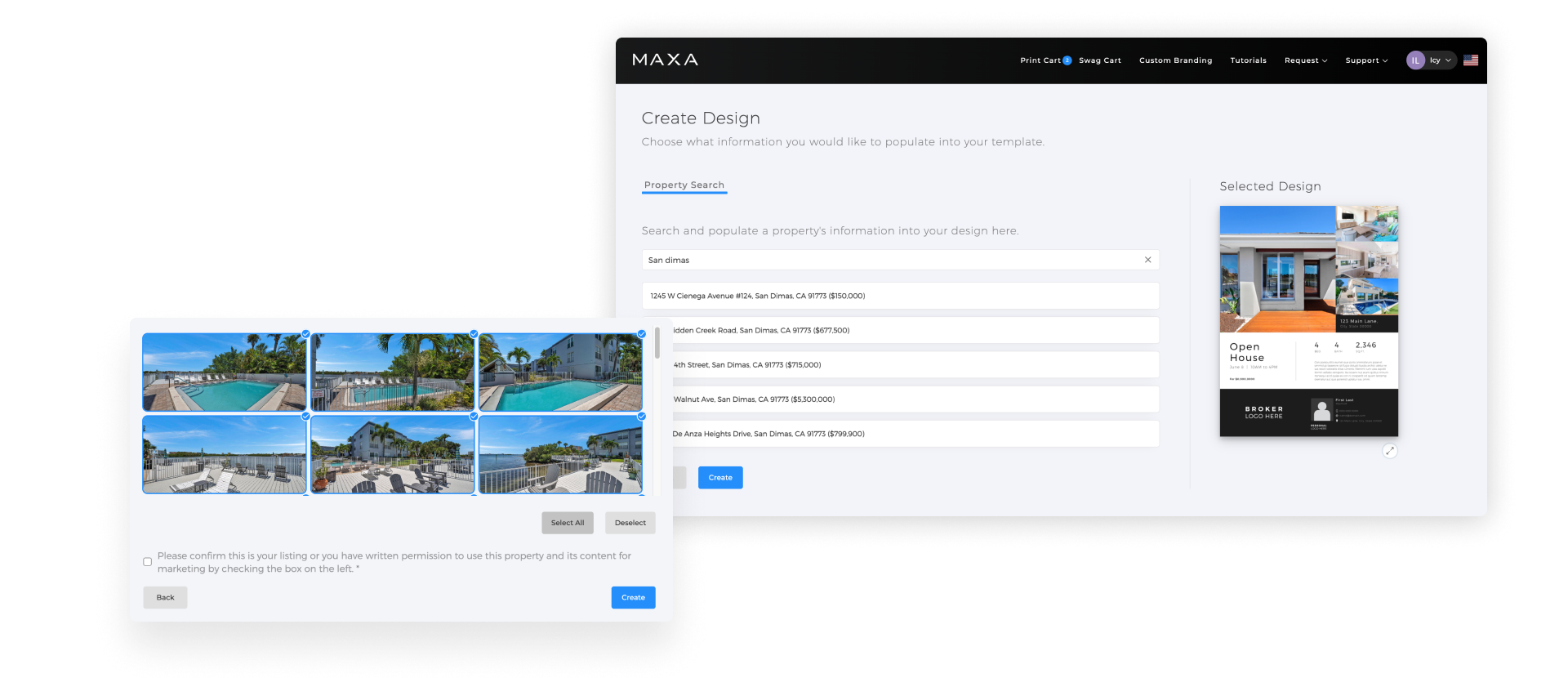
Every state has its own rules around what must appear in a real estate ad. The usual suspects are license numbers, brokerage attribution, team naming conventions, disclaimer placement, and even font sizes in some cases.
The MLS policies are a cherry on top of the ad cake. These tend to change from time to time, and with the latest updates came the option of a “delayed marketing exempt listing.” Sellers can use these to direct their listing agent to hold off on marketing the property to agents outside the listing firm for a set period.
This advertising mishmash becomes even more complicated to handle when agents, as they normally do, start creating their own versions of flyers and social posts, unaware that a “simple” ad can be compliant in one state and non-compliant in another.
New York’s real estate advertising rules show just how specific states can be:
- Ads must clearly identify the brokerage and include either its full address or phone number
- Nicknames are allowed only if the full licensed name appears
- Titles like “sales associate” are prohibited
One wrong move, or one sloppy social media post, and you are looking at a fine of up to $1,000 as per the New York Penal Law § 190.20 for this Class A misdemeanor.
Without centralized oversight, multi-state compliance quickly becomes a nightmare, mainly when agents produce content independently. This is why large brokerages need systems that consistently align every ad with the rules of the state where it will appear and that offer more than just templates, especially when agents refuse to use those templates in the first place.
What Makes Real Estate Ad Compliance So Complex
When you are forced to juggle state laws, MLS rules, branding requirements, and franchise structures, you are bound to lose sight of something, no matter how focused you are. What makes the real estate ads so challenging is:
- State-specific legal requirements: These rules address ad disclosures, license display, brokerage attribution, accurate visual display of the property, and acceptable terminology, among other requirements. These can vary significantly from state to state.
- Brand guidelines vs. legal guidelines: Design teams aim for consistency, hierarchy, and strong visuals, but regulators don’t care about that. What they care about is clarity, placement, and accuracy of the information provided. Creative priorities often clash with legal ones.
- MLS and board-level rules: MLSs adopt rules that exceed state-level regulations. For example, there are rules around photo usage, “Coming Soon” listings, geographic labeling, and property descriptions. This is yet another layer of potential oversight.
- Franchise vs. agent-level responsibility: Franchises provide templates at best, while compliance liability remains with brokerages and agents. So, a design that’s on-brand can still break the law if state-specific details aren’t met.
Remember New York’s rules and their focus on identifying the brokerages clearly, and how property descriptions must be exact. On the other hand, we have Illinois’ real estate rules, where the emphasis shifts to how prominently the brokerage name appears (it must be as large or larger than the agent or team name), how teams are named (terms like “Realty” or “Associates” are banned), and whether the agent is entitled to use any designations they advertise.
This is just an illustration of how ad compliance differs across even neighboring states, not to mention across the country.
Why Manual Reviews Don’t Scale
Most brokerages will prepare checklists and maintain manual systems that include email approvals, shared folders, and last-minute spot checks before an ad goes live. In practice, agents create their own materials and submit them for review. The marketing or compliance team then scrambles to catch every missing disclosure, incorrect license label, or misplaced brokerage name. It works only when the volume is low.
As the business grows, marketing directors and compliance officers spend their days chasing agents for revisions rather than developing marketing plans. Ultimately, it’s about a workload that simply outstrips capacity.
The Smart Way to Automate Compliance
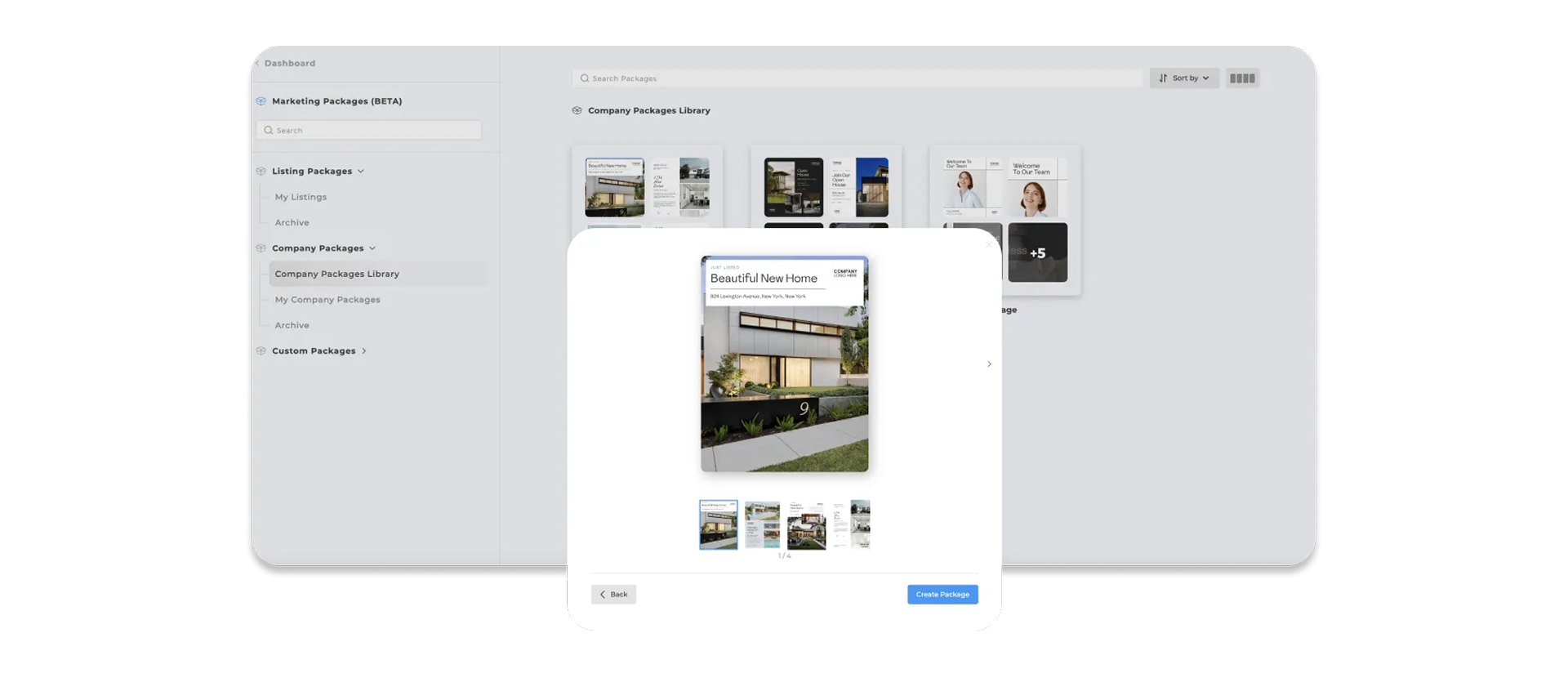
Automated design systems like MAXA are essentially a hack. The fastest and most reliable way of ticking all the compliance boxes while creating marketing plans in bulk.
Instead of relying on agents to remember which disclosure belongs in which state, the system pulls that information automatically from the agent’s profile. License type, brokerage name, phone number, team naming rules, and required disclaimers all populate the moment an agent logs in or selects their market.
The way these systems allow you to do that is by making it possible to insert rules for locking essential elements on the template, so they won’t be able to change anything. Materials, such as different footers, can automatically adjust based on the selected state, so there’s no need to insert graphics manually.
If we are talking about multi-state brokerages, these regional variations are built directly into the design logic, so there can be a single template, but with different variations.
How MAXA Makes Multi-State Compliance Effortless
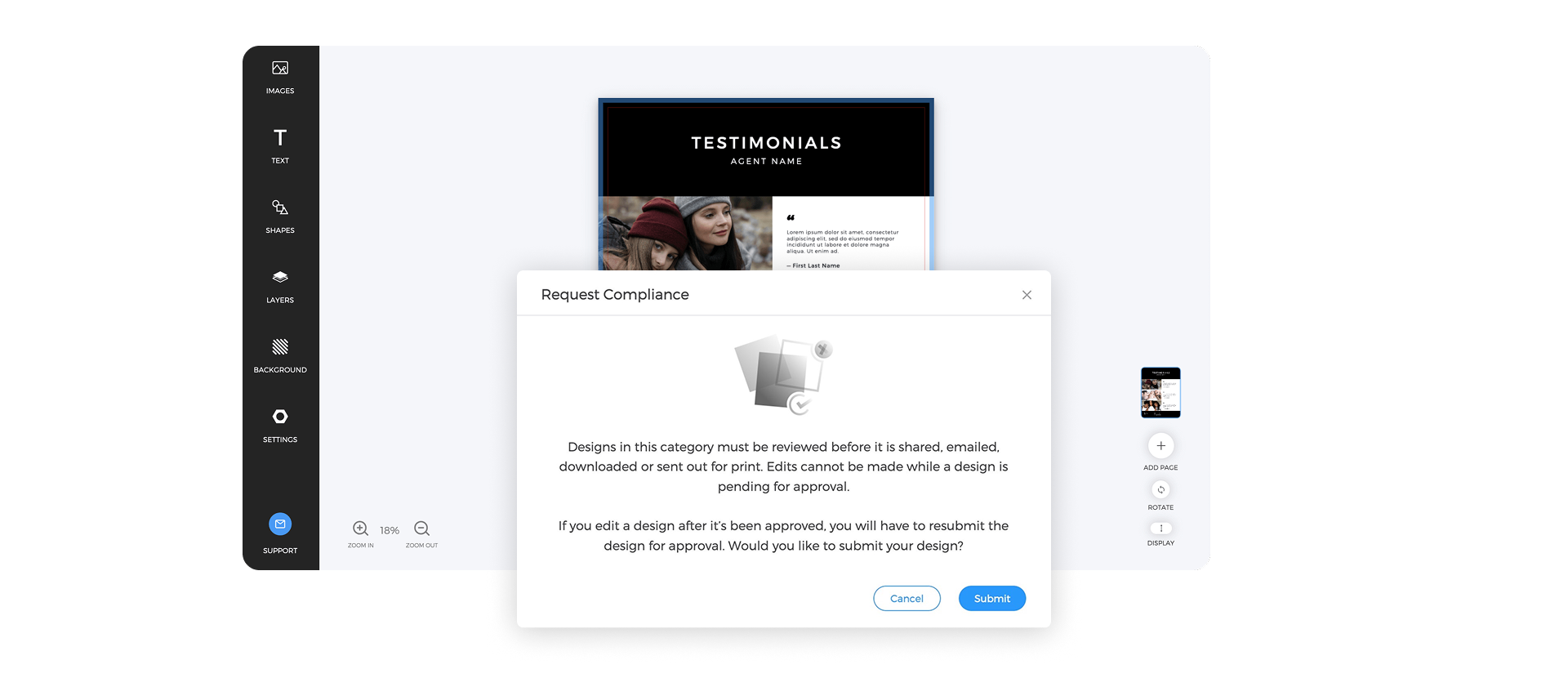
MAXA has been a go-to compliance tool for real estate marketing teams thanks to the centralized control its platform provides. You can set guardrails across all content so you no longer have to check for compliance. MAXA applies the rules automatically across all templates, markets, and agent profiles.
These templates are ready to be audited and changed at any point, and the change is instantly reflected on all related materials.
Then, there’s the Compliance feature in its system. In the platform's admin panel, you can assign templates to categories, including content, the download now feature, and the “Requires Compliance” option. When this is set to “On,” the magic begins.
On the frontend, the user (i.e., the agent) can still open a template and make different changes to the design; however, when they hit the “Submit to Compliance” button, the prompt will tell them if there’s anything wrong with the resolution, font, and other features. You can make the changes, submit them for approval, and admins can ensure your content is compliant.
For large brokerages operating in five or more states, say, when a New York agent opens a template, they will see the correct brokerage identification and licensed-name format. An Illinois agent receives the version with the correct footer, proper brokerage prominence, and team-name rules already baked in, making MAXA one of the best real estate marketing software solutions for multi-state coverage.
Final Thoughts: Don’t Let Compliance Be Your Weak Link
You don’t fool around with advertising compliance in the real estate business. The risk is real, and so are fines. Maryland will impose a $2,500 fine for advertising violations by a licensee and a $3,500 fine for brokerages if they don’t supervise their activities carefully.
All of this can be avoided if you opt for a solution like MAXA, which not only helps you design the marketing materials, from listings and flyers to social media posts and newsletters, but also ensures you stay compliant.
Reach out to our team to learn how MAXA helps brokerages stay compliant without slowing your marketing, and request a personal demo and quote.